
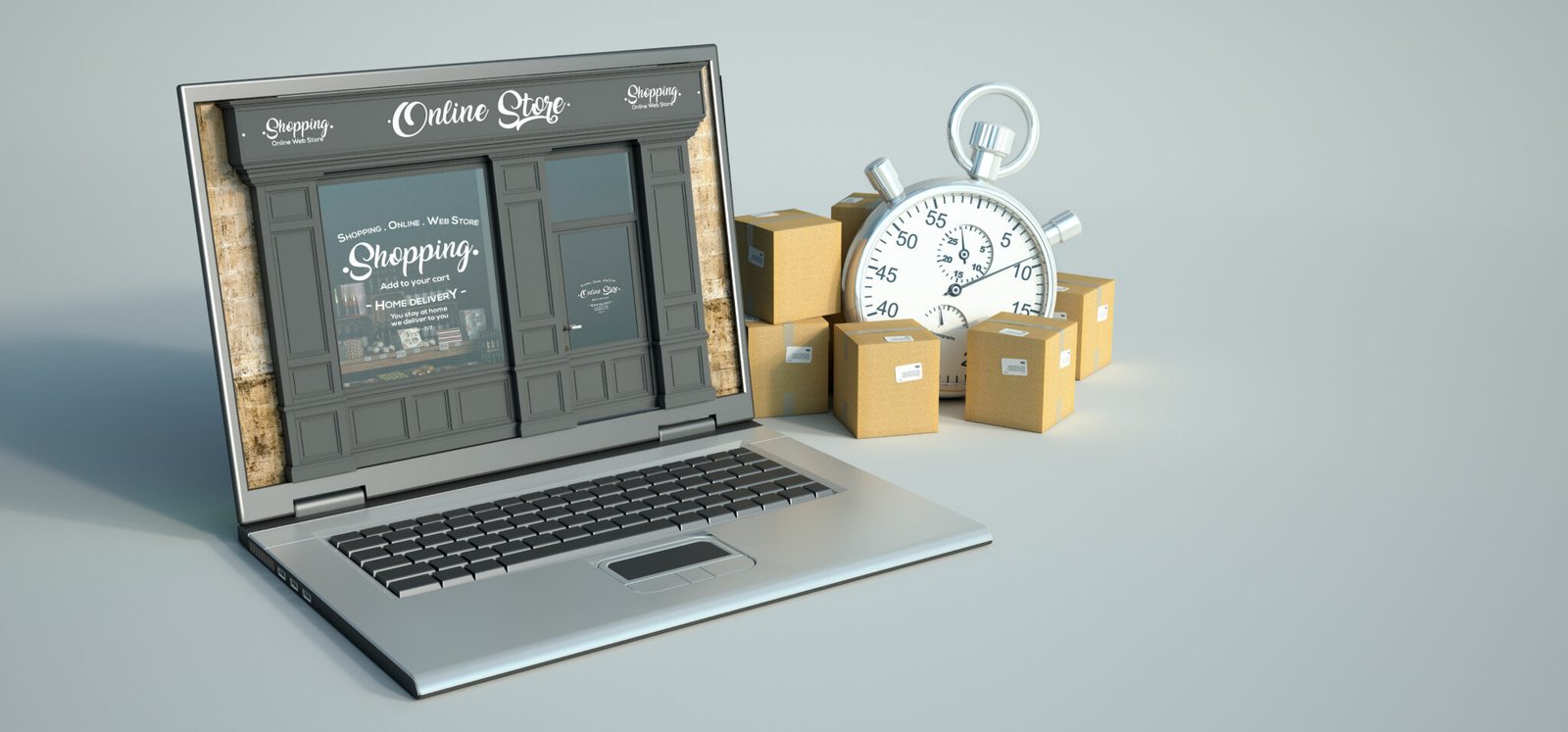
Explore the difference between e-commerce and traditional business and discover which model drives more growth in 2026.
Introduction
The way people shop has changed dramatically over the past few years. What used to require a physical visit to a store can now be done in seconds from a smartphone. This shift has created a clear question for businesses in 2026: should you focus on a traditional business model, or move toward e-commerce?
The answer is not always simple, but one thing is clear—digital transformation is no longer optional.
The Rise of E-commerce
E-commerce has grown rapidly because it offers something traditional businesses cannot always provide: convenience. Customers can browse products, compare prices, and make purchases anytime, from anywhere.
For businesses, this means access to a much larger audience. Instead of being limited to a local market, an online store allows you to reach customers nationally or even globally.
At Malcon, we’ve seen how businesses that invest in e-commerce platforms experience faster growth and increased customer engagement.
The Strength of Traditional Business
Despite the growth of online shopping, traditional businesses still have their advantages. Physical stores allow customers to see, touch, and experience products in real life. This creates a level of trust and personal connection that can be difficult to replicate online.
For certain industries, especially those that rely on physical interaction, traditional models remain essential.
The Real Winner: Integration
In 2026, the most successful businesses are not choosing one over the other—they are combining both.
A strong business strategy includes:
- A professional website
- An e-commerce platform
- A physical presence (when needed)
- A consistent brand experience
This approach is often called omnichannel strategy, and it allows businesses to serve customers wherever they are.
Why E-commerce is Leading the Future
While traditional businesses still play a role, e-commerce is leading the future of growth. It offers scalability, data insights, and the ability to adapt quickly to market changes.
With the right strategy, businesses can:
- Increase sales
- Reduce operational costs
- Reach new markets
- Improve customer experience
Conclusion
The real question is not whether e-commerce will replace traditional business—it’s how businesses can adapt to a digital-first world.
Companies that invest in modern digital solutions, including e-commerce and online marketing, will be better positioned for long-term success.
At Malcon, we help businesses build powerful e-commerce platforms that support growth, visibility, and performance in the digital age.